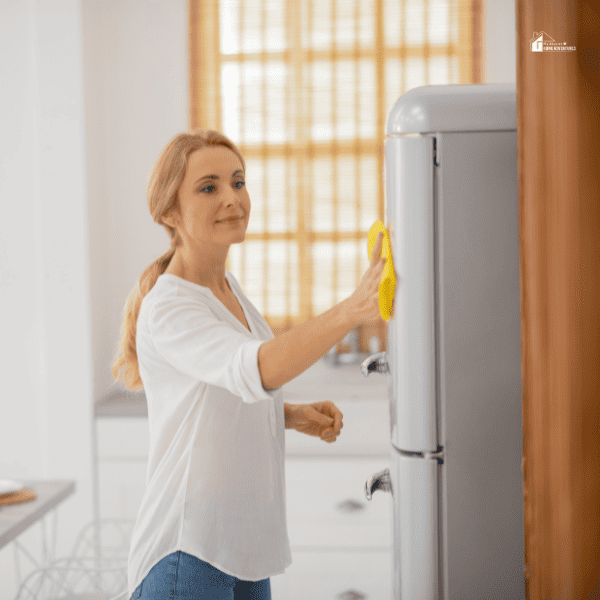
The Kitchen: The Multi-Daily Utility Zone
The kitchen is the biological heart of the home, but it is also the primary source of organic waste and moisture. Because this is where food is prepared, the hygiene standards here are the highest in the house.
- Daily (After Every Use): You must wipe down kitchen countertops and the stovetop immediately after cooking. In the warm North Carolina climate, even small crumbs or grease splatters can attract ants or cockroaches within hours.
- Daily (Nightly): The sink should be scrubbed and dried every night. Standing water in a sink is a breeding ground for bacteria and creates a “biofilm” that can lead to odors.
- Weekly: Perform a deep mop of the floor and wipe down the exterior of all appliances, including the microwave and dishwasher. This prevents the buildup of “sticky dust”—a combination of airborne cooking oils and household particulates.
- Monthly: This is the time for interior appliance detailing. Clean the crumb tray of the toaster, the interior of the microwave, and organize the refrigerator, discarding any expired items that contribute to mold spores.
The Bathroom: The Sanitization Priority
Bathrooms are high-moisture environments where soap scum and mineral deposits can quickly become permanent if neglected.
- Daily: A 30-second “swish and swipe” is the secret to a perfect bathroom. Use a squeegee on glass shower doors after every use to prevent the hard water staining common in the Triangle. Wipe the sink of toothpaste residue.
- Weekly: This is the non-negotiable bathroom deep clean. Scrub the toilet (inside and out), sanitize the counters, and mop the floors. You should also change all towels and bath mats weekly to prevent the “musty” smell caused by damp fibers.
- Monthly: Focus on grout and ventilation. Scrub the grout lines with a specialized cleaner and vacuum the dust from the bathroom exhaust fan. A clean fan is your best defense against humidity-related mold growth.
The Living Room: The Allergen Management Hub
Living areas are where we spend the most time, meaning they accumulate the highest levels of pet dander, skin cells, and outdoor pollutants tracked in from the garden.
- Daily: Perform a “10-minute reset” to clear clutter. High-traffic walkways should be spot-vacuumed if you have pets or children.
- Weekly: Vacuum all carpets and upholstered furniture. Dusting should be done from top-to-bottom, starting with shelves and electronics and ending with the floor. Use a microfiber cloth to trap dust rather than just moving it into the air.
- Monthly: Clean the “hidden collectors.” This includes vacuuming under sofa cushions, dusting baseboards, and cleaning the dust from the leaves of indoor plants.
The Bedrooms: The Sanctuary Reset
We spend a third of our lives in our bedrooms, yet they are often the most neglected rooms because they aren’t “public” spaces. However, for allergy sufferers, the bedroom is the most important room to maintain.
- Daily: Make the bed. This simple act reduces visual clutter and prevents dust from settling directly onto your sheets.
- Weekly: Change all bed linens and pillowcases. Vacuum the floor, including the space under the bed where “dust bunnies” thrive. Dust nightstands and lampshades.
- Monthly: Vacuum the mattress itself using a HEPA-filter attachment to remove dust mites. Rotate the mattress to ensure even wear, and wipe down the interior of the closet floors.
High-Traffic vs. Low-Traffic Areas: Adjusting Your Effort
Not every square inch of your home requires the same intensity. To be efficient in 2026, you must learn to “tier” your cleaning efforts based on foot traffic.
- High-Traffic (Daily): Entryways, hallways, and mudrooms. In North Carolina, these areas collect red clay and pollen. A daily sweep or vacuum of the entryway prevents these abrasive particles from being tracked deeper into the home where they can damage carpets and hardwoods.
- Medium-Traffic (Weekly): Dining rooms, home offices, and stairs. These areas should be part of your weekly routine but rarely require daily intervention unless they are used for every meal.
- Low-Traffic (Bi-Weekly/Monthly): Guest rooms, formal living rooms, and storage areas. You can often “close the door” on these rooms and only perform a light dusting and vacuuming every two weeks.
Factors That Increase Your Cleaning Frequency
While the guide above serves as a baseline, certain lifestyle factors in the Raleigh-Durham area will necessitate a more aggressive schedule:
- Pets: If you have shedding dogs or cats, vacuuming must move from a weekly task to a 3-times-a-week task to manage dander and fur.
- Allergies: For those sensitive to the North Carolina pollen seasons, “High-Level Dusting” and air vent cleaning should move to a bi-weekly frequency.
- Work-from-Home: If you utilize a home office for 40 hours a week, that room transitions from “Low-Traffic” to “High-Traffic,” requiring a daily trash empty and weekly floor sanitization.
The “Professional Gap”: When the Schedule Isn’t Enough
Even with a perfect room-by-room schedule, “surface cleaning” eventually hits a wall. Over time, microscopic layers of grime build up in places that a standard vacuum or mop simply cannot reach. This is the Professional Gap.
At Quality Solutions Cleaning, we recommend that even the most diligent DIY cleaners schedule a Professional Deep Clean at least twice a year. This allows us to use industrial-grade extraction and specialized chemistry to “reset” your home to its baseline level of cleanliness. We handle the heavy lifting, like steam cleaning the upholstery and scrubbing the baseboards, so that your daily and weekly maintenance is faster and more effective.